

We are all experts at communicating with the language of touch, from our first day of life, until our last day. We understand every nuance of what we like, and what we don’t like.
We feel hunger because we need food. We feel thirsty because we need water. When we are tired it’s because we need sleep.
So how important in the scheme of things is our sense of touch?
Could our sense of touch link us to an inner strength, far deeper than our skin?
Are there consequences damaging us on a daily basis if we don’t connect through touch?
We acknowledge the importance of healthy food, fresh water, exercise and rest for our health. To be healthy do we also need to have a healthy sense of touch? Does a disconnection from our sense of touch actually damage us?
We know that being touched makes us sleep better, makes us healthier, happier and kinder to each other. Oxytocin, a bonding hormone that makes us feel secure and trusting towards each other gets released during touch connection. This can happen whether the touch comes from a friend, a pet, or a life-long partner.
Babies literally die from not being touched but we forget that adults also need it; both quantity and quality. Isolation and disconnection are about the worst things you can do to a human being; physically and mentally.
What is your experience of touch?
For everyone this is a unique experience because we are all unique and our skin responds differently to touch.
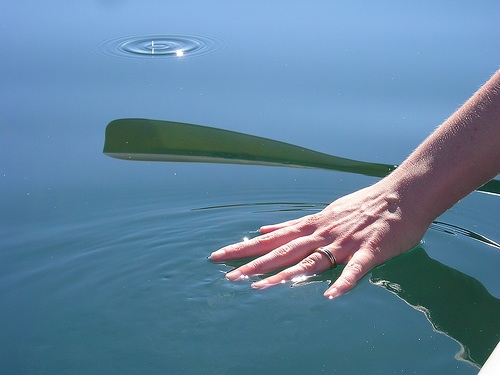
Do you enjoy the touch of the sun on your skin? Patting your dog? The softness of fine fabric? The shock of cold water as you swim in the ocean? The wind chill on your cheeks as you head out for a walk on a windy day? The touch of clean fresh sheets on your bed after they have been blowing in the wind and sunshine all day? What is it that your skin loves about that experience? Your skin resonates with everything it encounters in a unique way, and that tells you something valuable about who you are, and how you connect with the world around you.
Our own unique touch identity is a compass to keep us in safe alignment. It is a safe harbour we can rely on at times when we feel insecure. This sense of security affects every interaction, every relationship, every conversation, even the way we play sport and do our job. Knowing how to connect to this strength intelligence – the touch in who you are – is not just about having an emotional or mental connection.
Everyone experiences touch differently and each touch moment is unique. Next time you shake hands with someone new, take a moment to notice how it is a different experience from shaking hands with anyone else. No one holds hands the same way. Hugs are unique. Every dog, cat, bird, animal has their own touch language as well. We are sensitive to touch, wanting to be touched in just the right way for us.
We all have a unique touch identity. We have a unique and strongly developed touch intelligence. This is with us from the first year of our lives and is completely instinctive. If damage occurs from lack of touch in those first few years of life, we may struggle later; with issues such as anxiety, loneliness, depression. We may have difficulty forming trusting relationships, and experience a sense of being unwanted no matter how many people say they love us.
We can operate from a secure foundation. Our own touch intelligence is a natural compass that shows us how.
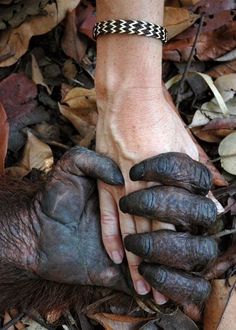 Photo – Jane Goodall